BOOK A CONSULTATION BOOK

Therapy for younger people, shaped around who they are.

When a child or younger person is struggling, knowing where to begin can be difficult. We start with a specialist assessment, involve parents or carers where helpful, and find suitable support.

GET STARTED

SECURE & PRIVATE BOOKING

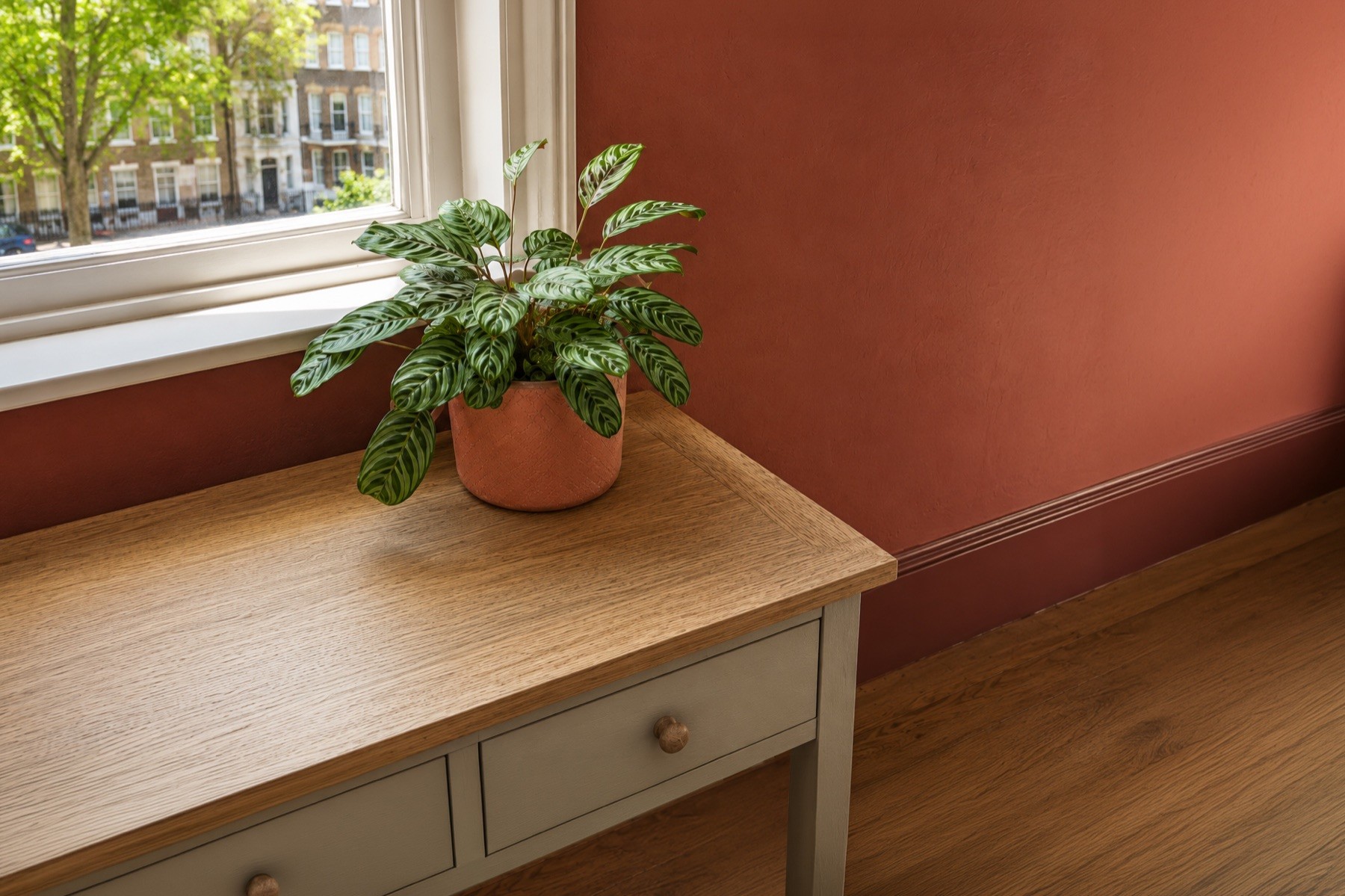
A leafy plant beside a sunlit window in a warm New Road room

Younger people do not always show us what feels difficult.

Changes in mood, confidence, friendships, school or behaviour can sometimes be a sign that something is weighing on a child or younger person. They may seem anxious, withdrawn, angry or overwhelmed — or simply less like themselves.

Therapy gives them a consistent, accepting space to explore what is happening at their own pace. They do not have to explain everything clearly: talking and creative forms of expression can help feelings become easier to recognise, understand and manage.


1

Tell us about the younger person

A younger person, parent or carer completes a short, private form. No diagnosis or complete explanation is needed.

2

Have a specialist assessment

Meet a practitioner experienced with younger clients. A separate parent or carer consultation can be arranged where helpful.

3

We suggest suitable support

We recommend a therapist and approach suited to the younger person, including talking, art or music therapy where appropriate.

4

Begin at their pace

The younger person meets their therapist. How parents or carers stay involved is discussed clearly from the start.

What brings people here?

School or college feels difficult

Worry is getting in the way

Friendships feel confusing or painful

Things at home feel unsettled

Strong feelings are hard to manage

Your confidence has taken a knock

You do not feel quite like yourself

It is hard to explain what is wrong

Private, comfortable rooms for meeting in person

For those who prefer to meet in person, we offer therapy rooms at our two sites in Brighton & Hove. Each space is thoughtfully furnished, giving you somewhere to talk, reflect and be heard.

A private New Road therapy room with two comfortable red armchairs
An online therapy session taking place privately from home

… or, online therapy from wherever you feel at ease

We also offer online therapy: a confidential, accessible way to meet with one of our therapists from home, privately and without travel, fitting more easily around your day.

Frequently asked questions

We work with children and younger people throughout childhood and adolescence. Some specialists also work with infants and their parents or carers. The options depend on the therapist, as some work with younger children while others start at age 11. Tell us the younger person’s age when you contact us, and we will explain which therapists and types of therapy may suit them.

The assessment helps us understand why you have contacted New Road and what support may help. A specialist will spend time with the child or younger person and consider their age, circumstances, strengths and any difficulties. They do not need to prepare or know exactly what to say.

We can also arrange a separate consultation for a parent or carer at around the same time if this would help. We will then use the assessment to recommend the most suitable next step.

We consider more than the problem that led you to contact us. The assessment looks at the younger person’s age, development, communication style, needs, interests and any relevant experience of neurodiversity.

New Road offers integrative child psychotherapy and counselling, art therapy and music therapy. We will consider whether talking or a more creative approach may suit the younger person, as well as each therapist’s experience and availability.

Parents and carers often play an important role, especially with younger children, but their involvement will vary. It may include a consultation at the start, occasional reviews or conversations about how to support the younger person outside therapy.

Older and more independent children will usually have more space of their own in therapy. At the start, the therapist will agree how parents or carers will be involved. They will consider the younger person’s age, understanding, wishes and safety.

Not usually. Children and younger people need privacy so they can build trust with their therapist. Parents or carers will not normally receive a detailed account of each session.

The therapist may give general updates about how therapy is going or suggest ways to support the younger person, while keeping the details private. They will explain confidentiality and its limits at the start. They may need to share relevant information if there is a serious concern about safety or safeguarding.

It is common for a child or teenager to feel unsure, especially if someone else suggested therapy. They can use the first meeting to ask questions, meet the therapist and talk about any worries.

They do not need to tell their whole story straight away or find the perfect words. Depending on their age and the therapist’s approach, sessions may include play, art or music. Parents and carers can help by listening, not putting pressure on them and offering practical reassurance. Their views will be taken seriously when deciding what happens next.

No. You can contact New Road directly without a GP referral or formal diagnosis. The first assessment will help us decide whether our service is suitable.

Therapy can help with many emotional, relationship or life difficulties, whether or not they have a diagnostic label. If the younger person may need another type of assessment or more specialist support, we will discuss this with you.

Therapists must protect the children and younger people they work with. If they believe the younger person or someone else may be at serious risk, or are concerned about abuse or neglect, they may need to share relevant information with a parent, carer or professional service.

If it is safe and possible, the therapist will explain the concern to the younger person and involve them in deciding what happens next. They should share only the information needed to deal with the concern.

Get started

It only takes a few minutes to complete our online form. For younger people and their families.