
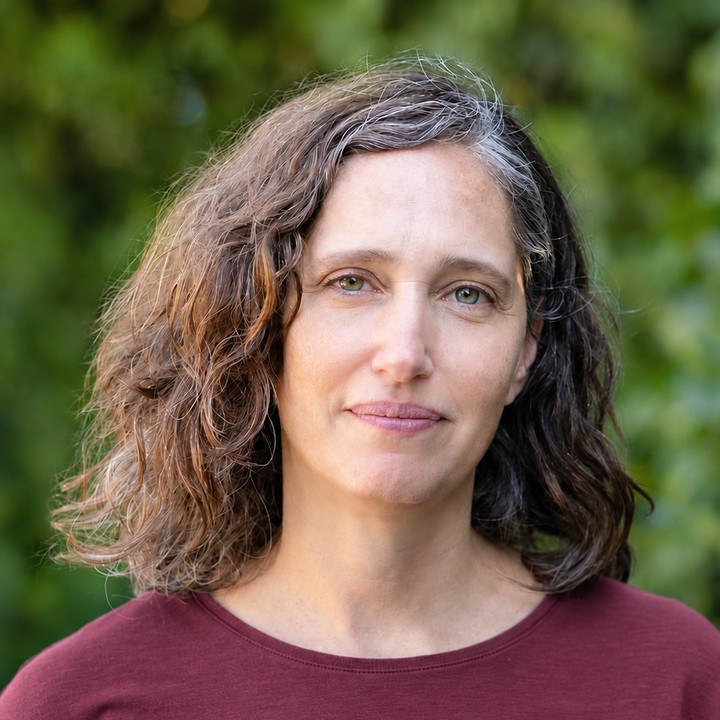
Many of the adults I work with have analytical, creative or fast-moving minds, and many identify as neurodivergent (including Autism, ADHD and Dyslexia). Some feel overwhelmed or burned out from trying to meet rigid expectations. Others struggle with low mood, anxiety, or big life transitions.
How I work
As a person-centred counsellor and psychotherapist, I don't offer one-size-fits-all solutions or directive advice. Instead, I offer a collaborative, respectful space where we can explore what matters to you, at a pace that feels comfortable for you. I offer an adaptable, neuroaffirmative, mindful space that respects how your mind works and the distinct path you're on.
My person-centred practice draws on neuroscience, mindfulness, Internal Family Systems, and somatic experiencing. I work with people in both shorter-term, focused therapy and longer-term work, depending on what feels right for you.
- Anxiety & overwhelm
- Burnout & perfectionism
- Depression & low mood
- Phobias & intrusive thoughts
- Relationship & attachment difficulties
- Childhood trauma
- Neurodivergent experiences & identity
- Oncology & illness support
My background
Before training as a psychotherapist, I spent two decades working in design and technology, so I understand the pace, pressure and perfectionism that can come with that kind of work. I've also worked as a counsellor at Macmillan Cancer Support, supporting people affected by cancer, and that experience shapes how I work with illness, uncertainty and loss.
Taking the first step
There's no pressure to have everything figured out before you get in touch. Our first step is a free, 15-minute video call. This is simply a chance to meet, see how it feels to talk, and decide whether we are a good fit to work together. There's no obligation to continue afterwards.